Written By
The HQ Team
07 August 2025
5
Min. Read Time
Save This Article

Category
Read Time
Minutes
There is a particular kind of pressure that comes with planning a home project. Once you've decided you're ready to renovate or build, it's natural to want everything to happen quickly.
You want the plans finished. You want the permit approved. You want construction to begin. And once work starts, you want to see progress. But a home project isn't simply a matter of getting from start to finish as quickly as possible. Some things should move quickly. Others deserve more time.
The difference is knowing which is which.
The Slow Home Movement
The idea of a slow home isn’t new. Architect John Brown coined the term in 2006 to advocate for more thoughtful and sustainable residential design, emphasizing quality over quantity, simplicity over excess, and intention over urgency. His vision was to encourage homeowners to slow down and create spaces that truly align with their needs and values.
But the concept has been around for centuries. Historical homes were often built with care and purpose, where every beam and stone was thoughtfully placed, and designs considered natural light, seasonal changes, and the surrounding landscape.
This approach also has financial benefits. A friend once shared how her family embraced this philosophy, renovating in stages only as funds became available rather than taking on unnecessary debt. By slowing down, they avoided financial strain while creating a home that grew with them over time.
A slow home is more than just a building, it’s an extension of the slow living movement which values mindfulness, purpose, and connection. It’s about creating a space that reflects your priorities and supports your well-being, reminding us that good things take time.
Not Everything Needs to Be Rushed
There is a difference between slow construction and an unnecessarily slow project.
Your contractor shouldn't be taking weeks to complete work that should take days. Your permit shouldn't sit untouched because nobody followed up. Your project shouldn't lose momentum because decisions weren't made when they needed to be.
But there are moments when slowing down is exactly what the project needs. Taking the time to really understand what you want before you begin the design. Getting to know professionals before hiring. Reconsidering a layout or material. Reviewing a quote you don't fully understand. Deciding whether a particular feature is worth the cost.
These aren't delays. They're opportunities to make sure you're comfortable with a decision before it becomes expensive (or impossible) to change.
The Earlier You Decide, the More Options You Have
Many of the decisions that affect a home are made long before they become visible.
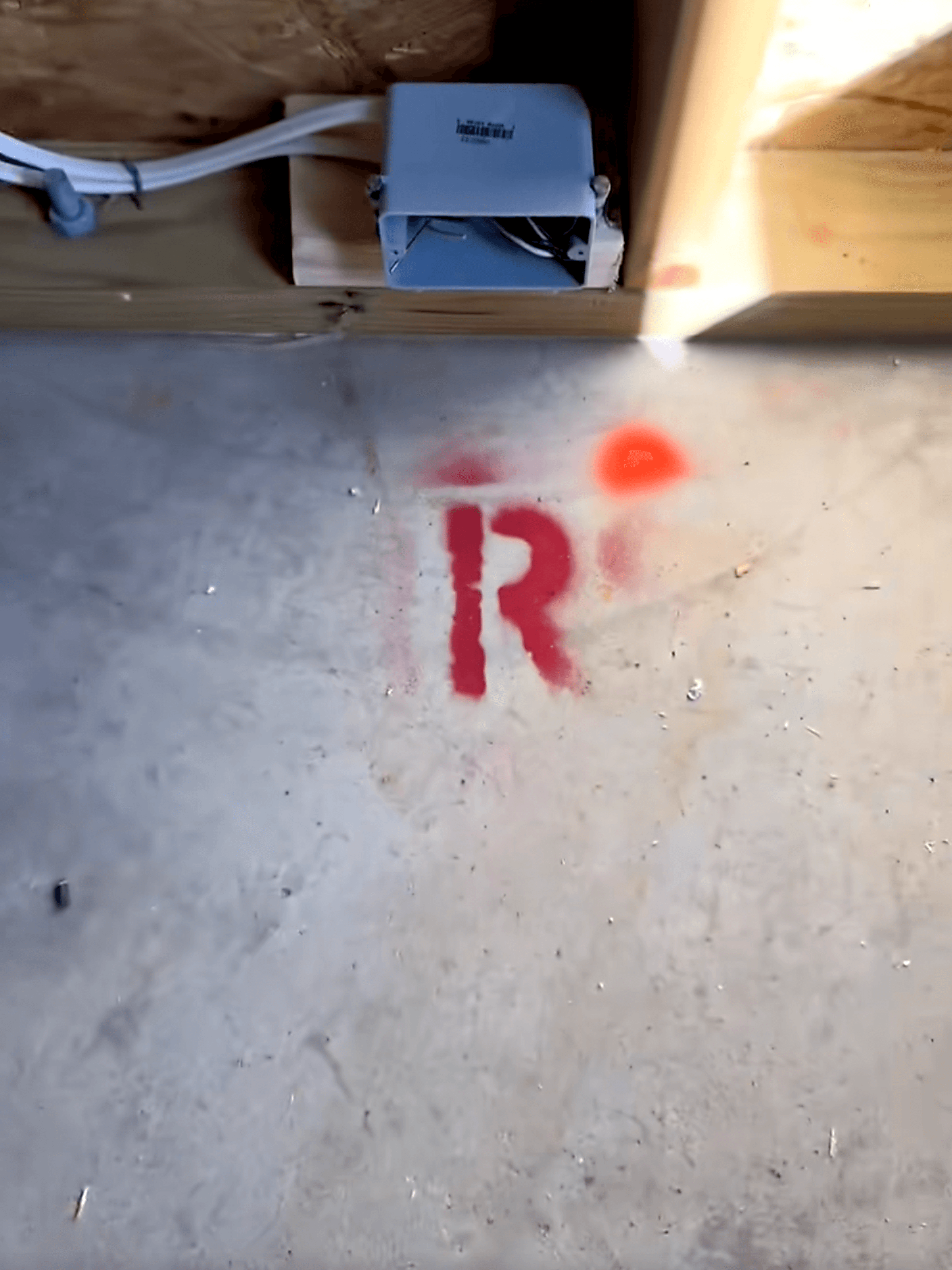
The location of a window affects the exterior, natural light and sometimes heating and cooling. The location of plumbing affects the structure and mechanical systems. A ceiling detail can affect framing, electrical and HVAC. A bathtub or fireplace can require decisions in the framing or slab before you've even thought about the final finish.
This is why thoughtful planning matters. The goal isn't to make every decision months in advance. It's to understand which decisions have consequences for the decisions that follow. When those decisions are made deliberately, the rest of the project has something solid to build on.
A Well-Planned Project Can Still Move Quickly
Intentional doesn't have to mean leisurely. In fact, good planning often makes a project feel faster because fewer decisions are being made reactively.
Your design team knows what they're working toward. Your contractor has the information needed to price and schedule the work. Products can be ordered before they're needed. Decisions aren't constantly being revisited. The result is not necessarily a shorter project but a more predictable one. And there is an important distinction between the two.
Know Where You Can Wait
There are decisions you can make later without affecting the project.
You may not need to choose the exact artwork for your living room before construction begins. But you may need to know where the artwork will hang if you want blocking installed behind the drywall.
You may not need to select the dining room pendant immediately. But you may need to know its location, electrical requirements and approximate size before the ceiling is finished.
This is where your design and construction team becomes important. They can help you understand what needs to be decided now, what can wait and what information they need from you to keep moving.
Build With Intention, Not Urgency
The idea behind a “slow home” is not that every project should take longer. It's that the process deserves enough thought to create a home that works for the people living in it.
That might mean taking another week to resolve a floor plan. It might mean waiting for the right professional rather than hiring whoever is available first. It might mean deciding not to build something you've always imagined because, once you've worked through the numbers, it isn't worth the trade-off. And sometimes it means moving forward when you're ready instead of continuing to second-guess yourself.
The point isn't to slow everything down. It's to stop treating speed as the measure of progress.
A Home Worth the Thought
Your home is likely to be one of the largest financial decisions you'll make and one you'll live with every day.
There will be plenty of things that need to happen quickly. There will also be decisions where taking a breath, asking another question or giving yourself another day to think can make a meaningful difference.
A well-run project has momentum.
A well-considered project has intention.
The best projects need both.
The HQ Team
Homeowner HQ
The Homeowner HQ team brings together the stories, questions, ideas, and insights that matter to homeowners undertaking custom homes and major renovations. Each story begins with a question, experience, or real-world project and is carefully researched by our editorial team, with insight from experienced architects, designers, contractors, engineers, and other industry professionals where relevant. Our role is to ask the questions, investigate the details, and bring together perspectives that help homeowners better understand what goes on behind the scenes of a home project.