Written By
The HQ Team
29 January 2026
6
Min. Read Time
Save This Article

Category
Read Time
Minutes
There is a temptation to think that the best way to move a home project forward is simply to begin. Get the drawings done quickly, hire the contractor, make a few decisions, and figure the rest as you go.
For a small project, that approach may be manageable. For a custom home or major renovation, it can become expensive very quickly. The reason isn't that homeowners aren't capable of making good decisions. It's that a home project is a sequence of connected decisions, and the later decisions depend on the earlier ones being resolved.
When those decisions aren't established in the right order, the consequences don't always appear immediately. A small change can travel through the project, affecting another trade, another material, the schedule, and the budget.
A Home Project Has a Logic to It
Think about what has to happen for a wall to move.
The layout needs to be determined, the structure needs to be understood and the plumbing, electrical and HVAC need to be coordinated. Cabinetry may need to be designed, lighting needs to be considered, and floor and trim materials need to be selected and ordered, let alone anything else.
None of these things exists independently. A change to one can affect several others.
Move a wall and the cabinetry changes. Change the cabinetry and the plumbing may move. Move the plumbing and the electrical or mechanical coordination may need to change. Change a window and you may affect structure, exterior detailing, interior finishes and even the way light enters the room.
The more complex the project, the more important this sequence becomes.
Planning Isn't About Knowing Everything
A good plan doesn't mean you need every finish selected before you break ground. It doesn't mean predicting every problem that could possibly occur. And it also doesn't mean removing all flexibility from the project.
Planning means understanding what needs to be decided now, what can wait or adjusted in the future, and which decisions will affect the work that follows.
That distinction is important. You can leave some things open without leaving the entire project open. You can make room for creativity without making room for avoidable chaos.
Where the Money Gets Lost
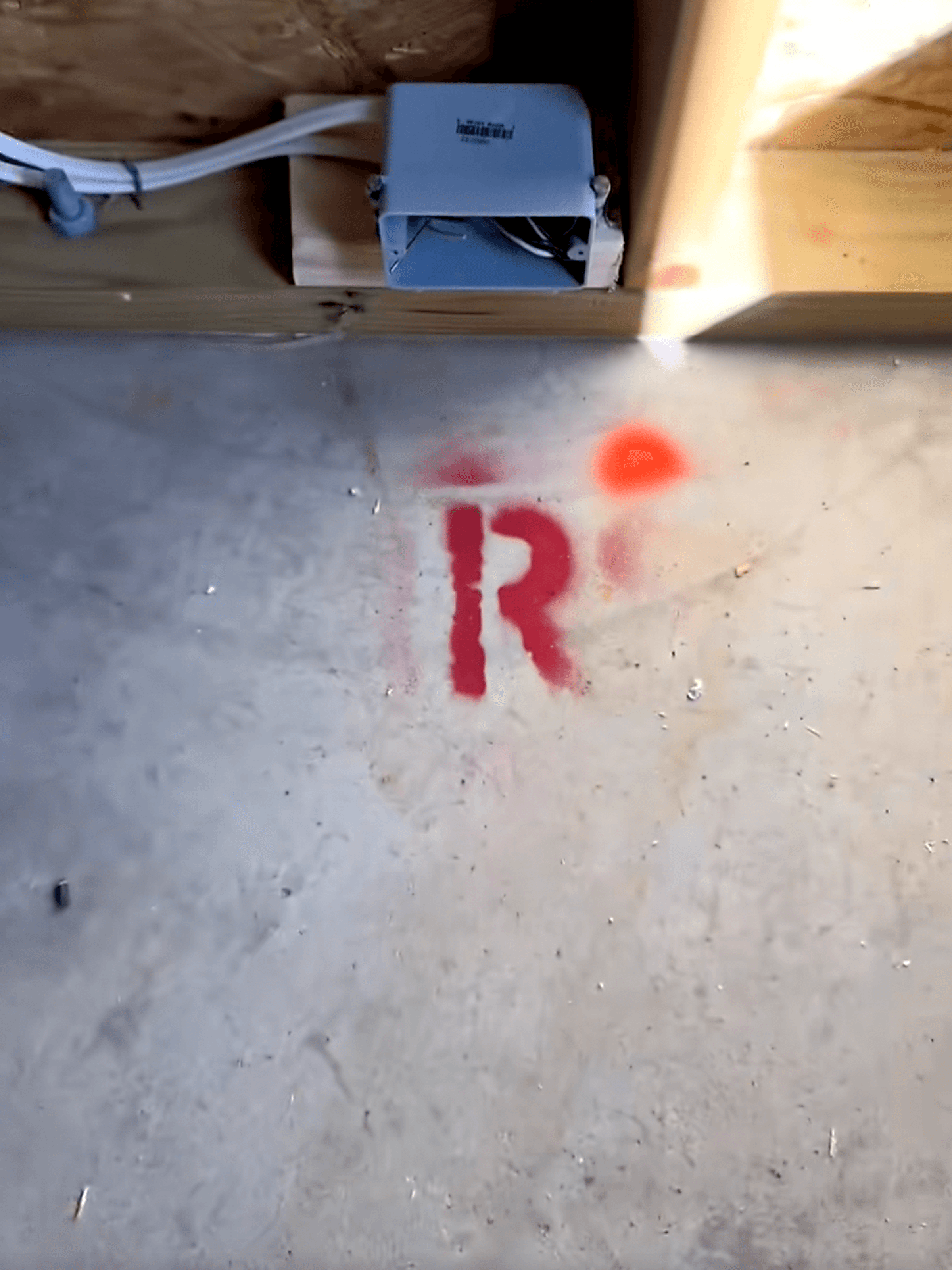
Some of the most expensive changes aren't dramatic. They're the small decisions that weren't made early enough. A product has to be substituted because the original isn't available or a fixture doesn't work with the rough-in. Maybe it's cabinet dimension changes after electrical has already been installed or enlarging the a window to get more of an ocean view.
Individually, these can seem insignificant. Together, they can create a chain reaction. You may be paying for additional labour, expedited shipping, redesign, storage, return fees or work that now needs to be done twice. And sometimes the cost isn't financial.
A late decision can force you to compromise on something you would have chosen differently if you'd had more time.
Your Team Needs Information Too
Planning also changes the experience for the professionals working on your project. Your architect, designer, contractor and trades aren't simply waiting for you to make decisions. They're coordinating those decisions with one another. The earlier they have the information they need, the more effectively they can do that work.
This is particularly important for products or details with long lead times, custom fabrication or specific installation requirements. You may not need to have the exact dining room pendant selected six months before installation, but your team may need to know where it will be located, how it will be supported, how it will be switched and what electrical requirements it has.
The question isn't always, "When do I need to buy this?" It's often, "When does my team need to know about this?"
Direction Is More Valuable Than Perfection
One of the most useful things you can establish early is a clear sense of direction.
What matters most to you?
Which decisions are fundamental to the project?
Where are you willing to compromise?
What needs to happen now, and what can be phased or revisited later?
This gives your team something to work from and gives you a way to evaluate the decisions that come next. Without that foundation, every new decision can feel like it exists on its own. With it, the project starts to become a series of connected choices. You're no longer asking, "What should we choose?" You're asking, "What choice makes sense for the home we're creating?"
The Plan Will Change
Even the best-planned project will change. Existing conditions are uncovered, products become unavailable., costs move, a better solution appears, or you change your mind.
That isn't a failure of planning. It's construction.
The purpose of planning is not to create a document that can never change. It's to create enough structure that when something does change, you understand what else might be affected.
A good plan gives you somewhere to return to when the project moves off course.
The Home Project Isn't the Place to Improvise the Fundamentals
There is still room for discovery in a well-planned project.
You may find a better stone. Your designer may introduce an unexpected material. A professional may suggest a solution you hadn't considered. You may walk into a showroom and completely change your mind about a finish. That's part of the fun.
The goal isn't to eliminate spontaneity. It's to make sure spontaneity isn't responsible for solving problems that should have been resolved during planning.
A custom home or major renovation is too significant to rely on a sequence of last-minute decisions. The more you establish before the work begins, the more freedom you have to respond intelligently when the unexpected inevitably arrives.
The Takeaway
A plan doesn't guarantee that your project will be easy. It gives you something more useful: a framework for making decisions before they become urgent. Know what needs to be resolved. Understand what depends on it. Give your team the information they need when they need it. Leave room for the decisions that genuinely can wait.
Because the goal isn't to know everything before construction starts. It's to know enough that you're not discovering the consequences of your decisions after they're already built.
The HQ Team
Homeowner HQ
The Homeowner HQ team brings together the stories, questions, ideas, and insights that matter to homeowners undertaking custom homes and major renovations. Each story begins with a question, experience, or real-world project and is carefully researched by our editorial team, with insight from experienced architects, designers, contractors, engineers, and other industry professionals where relevant. Our role is to ask the questions, investigate the details, and bring together perspectives that help homeowners better understand what goes on behind the scenes of a home project.