Category
Read Time
Minutes

This post isn’t about trends or personal taste. It’s about products I would never put in my own house because I’ve seen how they fail in real projects, in real homes, and often far sooner than expected.
After years of designing, building, and working alongside contractors and trades, certain products develop a reputation. Pumps that consistently fail within months. Finishes that peel, stain, or degrade after a year or two. Systems that look good on paper but create ongoing maintenance, callbacks, or replacement costs for homeowners.
These products aren’t always cheap, and they’re often sold confidently. Many make it into homes because the issues don’t show up right away—only after warranties expire or once the house is lived in.
This list is about sharing that hard-earned knowledge so you can make decisions with eyes wide open, not learn the same lessons the expensive way.
✖️ Sikkens Exterior Stain
Why it’s tempting:
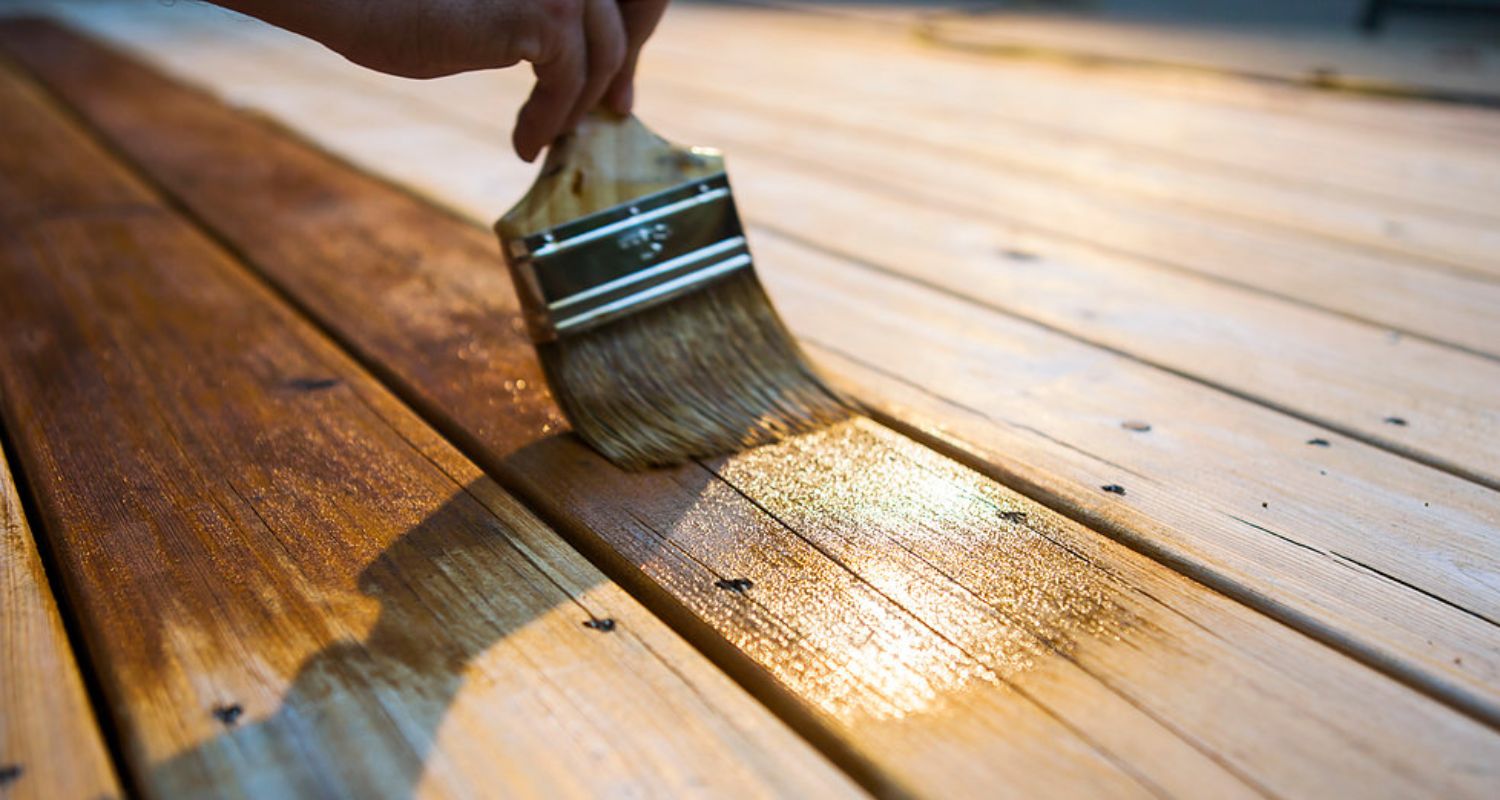
They market themselves as a premium, high-performance exterior wood coating known for its exceptional UV protection, durability and ability to enhance natural wood grain with rich, translucent colour. I have seen this product be used for decades, largely because it felt like the only option available locally. Once I started working with other products, the shortcomings became impossible to ignore.
Why I avoid it:
Bottom line, continuous maintenance and limited colours. I’ve repeatedly seen it crack and peel right off the wood, sometimes within a year. Once that happens, the wood is left completely exposed with no protection at all. At that point, there’s no simple fix—you’re forced to sand everything back and start over. That kind of ongoing maintenance isn’t worth it. On top of that, the colour range is extremely limited. Most options lean yellow, orange, or some variation of the two, and while different wood species can slightly shift the tone, the end result still falls within the same unattractive palette.
What I’d consider instead:
LifeTime Wood Treatment
An excellent option if you’re intentionally going for an aged, weathered look. It starts darker and naturally greys over time, with very low maintenance.Fisher Coating
If you want real colour options like white-wash, greys, browns, blacks, etc. this is my go-to. They produce their coatings in-house and the performance is consistent. Finished with a Varathane clear satin topcoat, it provides strong exterior protection. Reapply the Varathane every few years—no sanding required.
✖️ Grundfos Water Pump
Why it’s tempting:
The Grundfos Scala2 water pump was the only pump our supplier offered at the time. We assumed a pump was a pump, didn’t think to research alternatives, and had it installed by our plumber during construction. It seemed like a safe, straightforward choice.
Why I avoid it:
Within a year, the pump failed. It physically broke apart, forcing itself through the screws holding the unit together. We returned it under warranty and received a replacement. That second pump failed within a year as well. When we submitted the warranty claim again, the manufacturer attempted to deny it, citing installation issues that were neither outlined nor expected in the warranty documentation. It felt like excuses were being made to avoid honoring the claim. Fortunately, the supplier stepped in, refunded us for a second time, and advocated on our behalf—but the experience made it clear this was not a product or process we wanted to repeat.
What I’d consider instead:
Despite the disappointment with the manufacturer, the Grundfos Scala1 has performed well. It’s been installed for years now without issue and has proven to be a reliable alternative in real-world use. If we were doing this again, we would choose a different manufacturer altogether because they continue to sell a product they know will fail and how they handle warranty and returns.
✖️ A Concrete Kitchen Sink
Why it’s tempting:
Concrete sinks are beautiful. They have a soft, handcrafted look that works especially well in modern farmhouse and contemporary homes.
Why I avoid it:
We installed a white concrete sink in our kitchen, and within five years the side we used for hand-washing dishes had worn noticeably. The protective coating wasn't able to withstand the daily abuse a kitchen sink receives, leaving permanent marks and discoloration.
That said, we also installed concrete sinks in our bathrooms, and they still look brand new. The difference is that bathroom sinks just don't experience the same wear and tear as a kitchen sink.
We were able to refinish it with a repair kit, but between the cost and the time involved, it's not something I'd want to do on a regular basis.
What I’d consider instead:
If your heart is set on a concrete kitchen sink, install a protective bottom grid from day one. Don't wait until you start seeing scratches or wear—by then, the damage has already been done.
If you're simply after the clean look of a white sink, I'd recommend a high-quality fireclay or ceramic sink. If durability is your top priority, it's hard to beat stainless steel.
Most product failures don’t happen immediately.
They show up months or years later, when access is difficult, replacement is disruptive, and the cost is no longer theoretical. By then, the installer may be gone, the warranty may be limited, and the homeowner is left dealing with something that never should have been installed in the first place.
This isn’t about blaming contractors or manufacturers. It’s about understanding that not all products perform the same over time, even if they’re widely available or commonly specified.
If this post helps you avoid one failure, one replacement, or one frustrating conversation down the road, it’s done its job. And if you’re ever unsure about a product being recommended to you, that’s exactly the kind of question you should feel comfortable asking—before it’s installed, not after.
Keep checking on this post (or better yet, save it!) as more will be added over time.



Comments
Get more practical tips, real stories, and expert-backed advice for your project.